Termites can cause significant damage to a home before homeowners realize there is a problem. Unlike many household pests, termites often remain hidden inside wood, behind walls, beneath flooring, or around the foundation. Their activity may continue for months without producing obvious signs on the surface.
For homeowners in Upstate South Carolina, recognizing the early signs of termites is an important part of protecting a property. Warm temperatures, moisture, and accessible wood can create conditions that support termite activity. Knowing what to look for can help you identify a potential infestation before the damage becomes more extensive.
Common warning signs include mud tubes, hollow-sounding wood, discarded wings, damaged wooden structures, and small piles of termite droppings. This guide explains seven signs of termites in your home, where to look for evidence, and when to contact a professional pest control company. If you are wondering how to tell if you have termites, these signs of termite damage can help you decide when to arrange an inspection.
Why Early Termite Detection Matters
Termites feed on materials containing cellulose, which is found in wood, paper, cardboard, and other plant-based materials. In residential properties, this can include structural framing, floor joists, wooden support beams, door frames, window frames, and other wood components.
The problem is that termite activity is not always visible. Subterranean termites, a concern in many parts of the southeastern United States, typically live in underground colonies and travel through protected pathways to reach food sources. By the time visible damage appears, termites may already have affected parts of the structure.
Early detection can help homeowners:
- Identify termite activity before damage becomes more extensive.
- Reduce the risk of expensive structural repairs.
- Protect wooden flooring, framing, and other building materials.
- Determine whether professional termite treatment is necessary.
- Address moisture or other conditions that may attract termites.
Understanding the warning signs is the first step toward protecting your property.
7 Common Signs of Termites in Your Home
1. Mud Tubes Along Your Foundation or Walls
Mud tubes are among the most recognizable signs of subterranean termite activity. These narrow, dirt-like tunnels are commonly found along foundation walls, concrete surfaces, crawl spaces, wooden supports, and other areas where termites travel between underground colonies and food sources.
Termites build these tubes using soil, moisture, and other materials. The enclosed pathways help protect them from exposure and maintain the humid conditions they need.
Check for mud tubes:
- Along exterior foundation walls, basement walls, and crawl spaces.
- Near plumbing penetrations, concrete slabs, and foundation joints.
- Around wooden support beams and places where soil touches wood.
Mud tubes may look like thin lines of dried mud or small raised tunnels attached to a surface. If you find one, avoid assuming that removing it will solve the problem. A colony may still be active elsewhere, and termites may create another pathway. A professional inspection can help determine whether the tubes are active and whether treatment is needed.
2. Hollow-Sounding or Damaged Wood
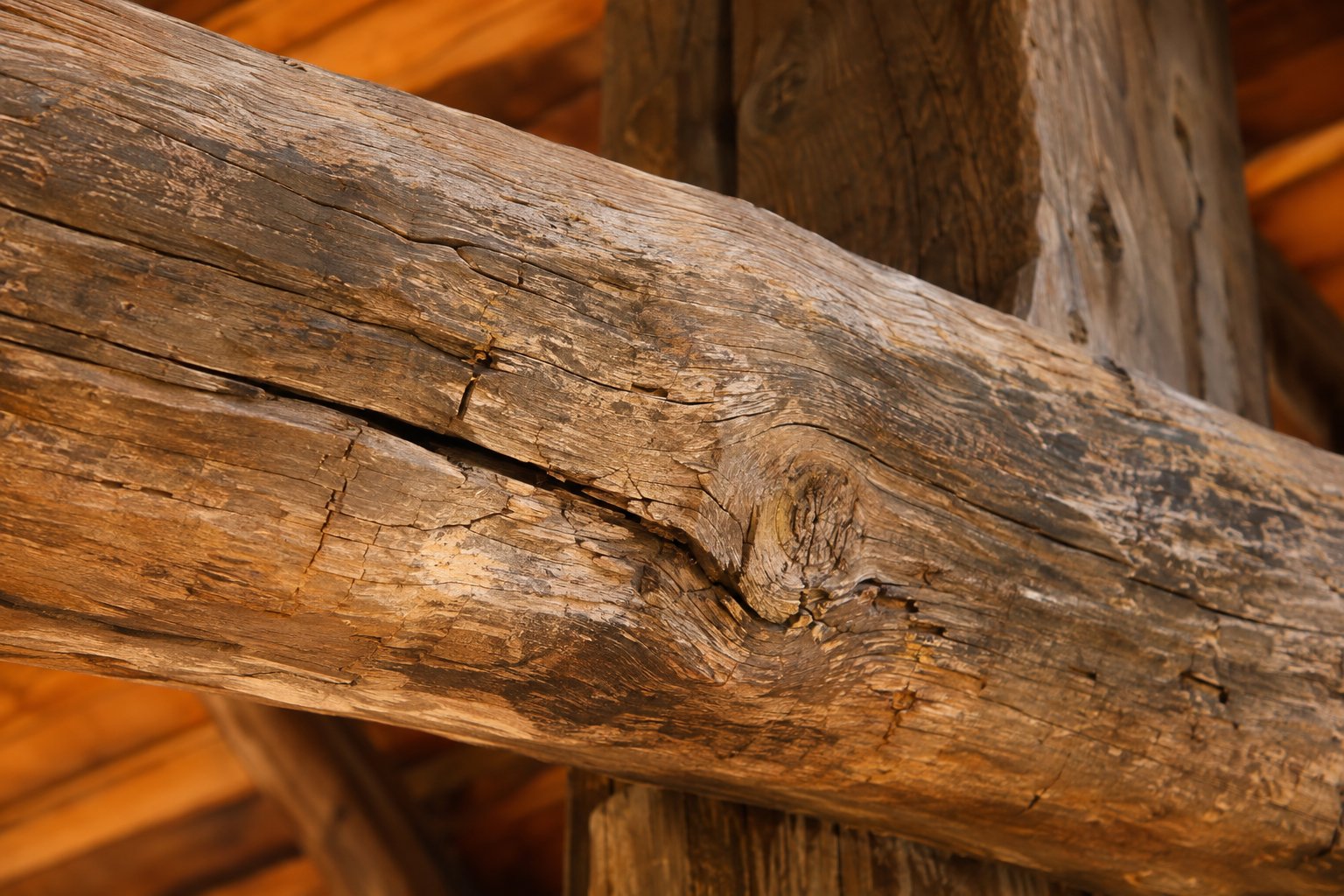
Wood that sounds hollow when gently tapped may indicate termite damage. Termites often consume wood from the inside, leaving a thin outer layer that may appear relatively normal. As they feed, they create internal galleries and tunnels that weaken the material.
Look for wooden beams that sound hollow, soft or weakened sections, wood that breaks apart easily, or visible grooves beneath damaged surfaces. Pay particular attention to structures near foundations, crawl spaces, bathrooms, kitchens, and other areas where moisture may be present.
Hollow-sounding wood does not automatically mean termites are responsible. Moisture damage, wood decay, and other conditions can also weaken wooden materials. A professional evaluation can help identify the cause.
3. Discarded Termite Wings Near Windows and Doors
Finding small, transparent wings around windows, doors, or light fixtures can be another warning sign. Reproductive termites, commonly called swarmers or alates, leave established colonies to form new ones. After landing, they shed their wings.
Look for small, translucent wings on windowsills, piles near doors, wings around light fixtures, or repeated sightings of winged insects around the property.
Termite swarmers are often confused with flying ants. Some general differences include:
- Termite swarmers generally have two pairs of wings of approximately equal length.
- Flying ants typically have front wings that are longer than their back wings.
- Termites generally have straight antennae; flying ants have noticeably elbowed antennae.
Discarded wings do not necessarily prove that a colony is established inside the house, but wings found indoors are a good reason to investigate further.
4. Small Pellets or Termite Droppings
Some termite species produce visible droppings called frass. Drywood termite frass often appears as tiny, hard pellets that collect below small openings in infested wood. The pellets may look like sand-like material or grain-shaped particles and can vary in color.
If you notice unexplained piles of small pellets near wooden surfaces, photograph them and note the location before cleaning. A pest control professional can help determine whether the material is termite frass or something unrelated.
Subterranean termites typically use their tunnels and galleries to manage waste, so visible drywood termite droppings are not a universal sign of every termite infestation.
5. Bubbling, Peeling, or Discolored Paint
Changes in paint or wall surfaces can sometimes indicate hidden moisture or termite activity. When termites damage wood behind a painted surface, the affected area may become uneven. Moisture associated with an infestation or another underlying issue can also contribute to bubbling, peeling, or discoloration.
These symptoms are not exclusive to termites. Plumbing leaks, condensation, water intrusion, and poor ventilation can create similar problems. If paint damage appears alongside mud tubes, discarded wings, or weakened wood, it deserves closer attention.
6. Doors and Windows That Suddenly Become Difficult to Open
Doors or windows that suddenly stick may be related to damage in wooden frames or surrounding materials. Termite damage can weaken these areas, while moisture-related swelling can also affect alignment.
Check for doors that are difficult to close, windows that no longer slide smoothly, uneven gaps around frames, damaged trim, and soft or weakened wood. Seasonal humidity, foundation movement, and ordinary wear can cause similar problems, so look for other signs of termite activity rather than relying on one symptom alone.
7. Visible Tunnels, Damaged Flooring, or Weak Wooden Structures
More advanced termite activity may produce noticeable changes in wooden surfaces and structural components. You might notice damaged floorboards, weak or deteriorating baseboards, tunnels beneath wooden surfaces, damaged door frames, crumbling trim, or wood that breaks easily.
In some cases, flooring may sound different or feel less stable because the material underneath has been damaged. Never assume that visible damage is only cosmetic. If structural wood may be affected, have it assessed by a qualified professional.
Where Should You Look for Termites in Your Home?
Termites often remain hidden, so knowing where to inspect can make it easier to recognize potential activity.
Basement and Crawl Spaces
Basements and crawl spaces can provide conditions that support termite activity, particularly when moisture is present. Check for mud tubes, damp wood, damaged support beams, and places where wooden materials come into contact with soil.
Around the Home's Foundation
Walk around the exterior and inspect the foundation for mud tubes attached to concrete, soil buildup against wooden siding, gaps around utility penetrations, moisture collecting near the foundation, and wood-to-soil contact.
Bathrooms and Kitchens
Inspect wooden cabinets, baseboards, flooring, and nearby walls for unexplained damage or dampness. Plumbing issues do not automatically indicate termites, but persistent moisture can make an area more attractive to certain pests.
Garages and Wooden Structures
Inspect wooden door frames, storage areas, and any wood close to the ground. Also check outdoor structures such as decks, sheds, fence posts, exposed framing, and areas where cardboard is stored.
Why Are Termites a Concern in Upstate South Carolina?
South Carolina's warm climate and seasonal moisture can create favorable conditions for termite activity. Homeowners in Greenville, Spartanburg, Greer, Simpsonville, and surrounding communities should pay attention to signs throughout the year.
Subterranean termites are an important consideration in the southeastern United States. They typically live in soil and use protected mud tubes to access wood and other cellulose-containing materials.
Property conditions that may increase risk include:
- Poor drainage around the foundation or leaking outdoor faucets and plumbing.
- Excess moisture in crawl spaces or unrepaired roof and plumbing leaks.
- Firewood stored directly against the house or wooden materials touching soil.
- Excessive mulch or debris near foundation walls.
These conditions do not guarantee a termite infestation, but addressing them can help reduce moisture-related risks and improve the overall condition of your property.
Termites vs. Carpenter Ants: How Can You Tell the Difference?
Termites and carpenter ants are sometimes confused because both can damage wooden structures. However, carpenter ants excavate wood to create nests but do not eat the wood, while termites consume cellulose-containing materials.
| Feature | Termites | Carpenter Ants |
|---|---|---|
| Food source | Consume cellulose-containing materials | Excavate wood to create nests but do not eat the wood |
| Wings | Swarmers generally have equal-length wings | Front wings are generally longer than rear wings |
| Antennae | Generally straight | Elbowed |
| Waist | Broad or less distinctly constricted | Narrow, clearly constricted waist |
| Common evidence | Mud tubes, damaged wood, discarded wings | Sawdust-like frass, galleries, visible ants |
Carpenter ants remove wood while creating nesting galleries. Termites feed on wood and can damage its internal structure. Because treatment methods differ, correct identification is important before choosing a solution.
What Should You Do If You Find Signs of Termites?
Finding possible termite evidence can be stressful, but taking the right steps can help you understand the problem and prevent unnecessary damage.
- Document what you found. Photograph suspected mud tubes, damaged wood, discarded wings, or droppings. Record the location and date.
- Avoid disturbing suspected activity. Do not aggressively remove tubes or damage the affected wood before an inspection.
- Check for moisture problems. Look for leaks, standing water, drainage issues, or damp areas around the foundation. Moisture correction alone does not eliminate an established colony.
- Arrange a professional termite inspection. A trained professional can inspect accessible areas and evaluate suspected evidence.
- Follow the recommended treatment plan. If an active infestation is confirmed, appropriate treatment depends on the species, location, extent of activity, and construction of the property.
Professional termite control may involve soil treatments, baiting systems, or other methods selected for the specific situation. If you suspect an infestation, explore our termite control services to learn about possible next steps.
How Can You Help Prevent Termites Around Your Home?
No prevention method can guarantee termites will never enter a property, but reducing favorable conditions can help lower risk.
Keep Moisture Away From the Foundation
Make sure gutters and downspouts direct water away from your home. Repair leaking outdoor faucets and plumbing, and address drainage problems that cause water to collect near the foundation.
Avoid Direct Wood-to-Soil Contact
Keep untreated wood, lumber, and other cellulose-containing materials from directly touching soil where possible. Inspect deck supports, fence posts, and other wooden structures for deterioration.
Store Firewood Away From the House
Avoid stacking firewood directly against exterior walls. Keep it elevated and away from the foundation when practical.
Maintain Crawl Space Ventilation and Moisture Control
Monitor crawl spaces for dampness, standing water, and visible wood damage. If moisture problems persist, consider professional evaluation.
Remove Unnecessary Wood and Cardboard
Old lumber, cardboard, and wood debris stored near the home can provide additional food sources or shelter for pests. Keep storage areas organized and avoid accumulating unnecessary materials against the property.
Schedule Periodic Inspections
A professional inspection can help identify activity that may not be visible during a routine homeowner check. This can be useful when purchasing a home, after discovering possible evidence, or when a property has a history of moisture problems.
When Should You Call a Professional for Termite Control?
Consider contacting a pest control professional if you notice one or more of the following:
- Mud tubes along the foundation or walls.
- Discarded wings near windows or doors.
- Suspected termite droppings around wooden structures.
- Hollow or weakened wood.
- Repeated sightings of termite swarmers.
- Visible tunnels or damage in wooden flooring.
- Unexplained deterioration around structural wood.
Even if you are unsure whether the evidence is caused by termites, an inspection can help clarify the situation. If you live in Greenville, Spartanburg, Greer, Simpsonville, or another Upstate South Carolina community, browse our service areas. You can also review our general pest control services.
Frequently Asked Questions About Signs of Termites
1. What is the first sign of termites in a home?
One recognizable early sign of subterranean termites is the appearance of mud tubes along foundation walls, crawl spaces, or other surfaces. Discarded wings and unexplained wood damage can also indicate possible activity.
2. How do I know if termites are eating my walls?
Look for bubbling paint, damaged baseboards, hollow-sounding wood, small openings, and unusual changes around wooden wall structures. These signs can have other causes, so a professional inspection is needed to confirm termite activity.
3. What do termite droppings look like?
Drywood termite droppings, known as frass, often look like tiny, hard pellets that collect beneath infested wood. Their color can vary depending on the wood being consumed.
4. Can termites live in a house without being noticed?
Yes. Termites can remain hidden inside walls, flooring, wooden framing, and other structures. They often consume wood internally, so homeowners may not notice them until visible signs or damage appear.
5. Do termites go away on their own?
An established termite colony should not be expected to disappear simply because visible activity stops. Professional assessment and appropriate treatment may be necessary to address an infestation.
6. Are termites common in South Carolina?
Termites are an important pest concern in South Carolina because the state's climate can support termite activity. Homeowners should monitor properties for subterranean termites and other wood-damaging pests.
7. Can I treat termites myself?
Some termite products are available to homeowners, but treating an established colony can be complicated. Incorrect application may fail to address the infestation. Professional identification and treatment are generally the safer approach when structural termite activity is suspected.
8. How often should I have my home inspected for termites?
Inspection frequency depends on the property's condition, previous termite activity, construction, moisture conditions, and local recommendations. A pest control professional can help determine an appropriate inspection schedule.
Protect Your Home From Hidden Termite Damage
Termites can remain out of sight while damaging wooden structures, which is why recognizing the warning signs matters. Mud tubes, discarded wings, hollow-sounding wood, droppings, and unexplained damage around doors and windows should not be ignored.
If you suspect termite activity, do not rely on surface-level observations alone. A professional inspection can help identify the pest, evaluate affected areas, and determine appropriate next steps. Pest Control Upstate SC provides pest control solutions for homeowners and businesses throughout its service areas.
Visit our termite control service page or contact the team to learn more about addressing suspected termite problems and protecting your property.